This newsletter offers a selection of the work that has helped shape energy and climate policy in Poland and Central and Eastern Europe. We hope you enjoy the read and stay tuned.
Setting the stage
Political landscape:
Political dynamics within the Law and Justice (Prawo i Sprawiedliwość / PiS) party remain volatile. Mateusz Morawiecki (former Prime Minister of Poland from 2017 to 2023) recently launched the Development Plus (Growth Plus) Association, a policy-oriented political initiative linked to the Law and Justice (PiS) camp.
President Karol Nawrocki proposed a nationwide referendum on the EU’s climate policy (the Green Deal). He argues that current EU climate measures have increased energy prices and the cost of living for households, businesses, and farmers. The referendum was presented as a way to give Polish citizens a direct voice on climate and energy policy. The proposed referendum question asked whether citizens support the implementation of EU climate policy, which, according to the proposal, has led to higher living costs, energy prices, and business and agricultural expenses. The Senate rejected the request for a referendum because the question contained a value judgement.
The Heartland Institute opened a new office in Warsaw. The U.S.-based organization, known for its climate-sceptic positions, plans to take part in regional debates on energy and climate policy. The initiative is backed by conservative political networks and could become a platform for lobbying against ambitious EU climate policies. This underscores Poland’s growing role in European energy and climate debates and reflects the increasing professionalization of anti-transition actors. With parliamentary elections scheduled for autumn 2027, these voices may become more influential in shaping the public discussion.
Energy landscape:
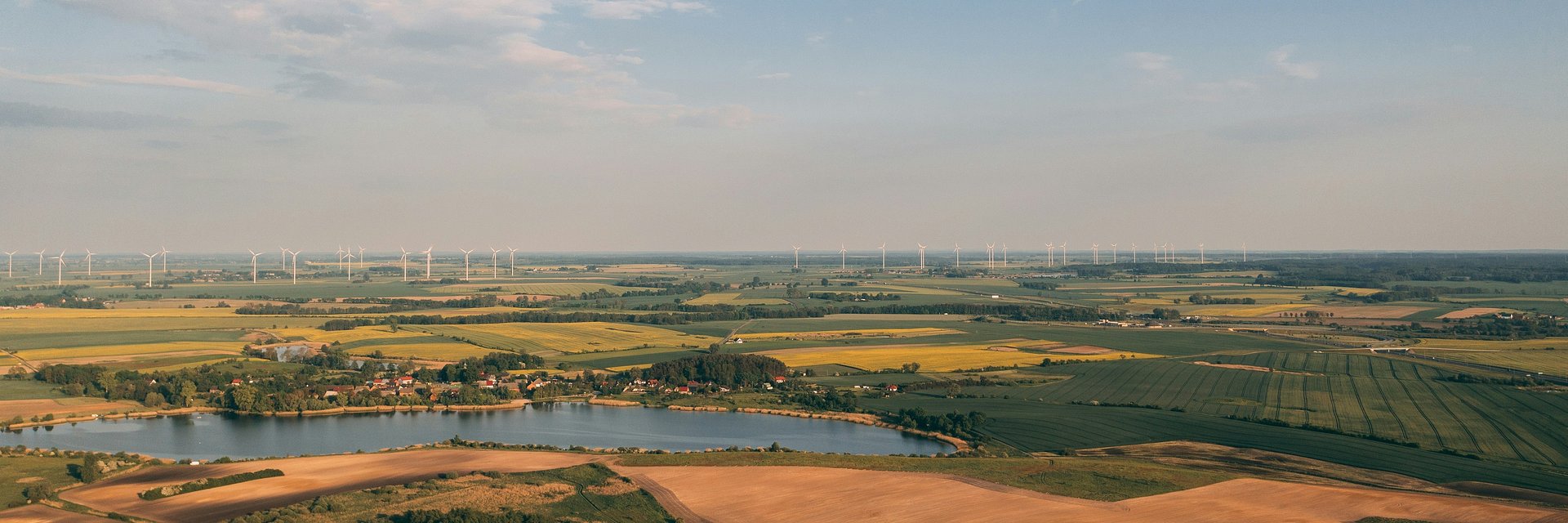
Today, electricity from Poland's first offshore wind turbines officially started flowing into the national grid. Developed by ORLEN and Northland Power, Baltic Power is a 1.2 GW offshore wind project located approximately 23 km off Poland's Baltic coast. Once fully commissioned later this year, it will comprise 76 offshore wind turbines, generate around 4 TWh of zero-carbon electricity annually—roughly 3% of Poland's current electricity demand, and supply enough clean power for more than 1.5 million households. Beyond its scale, the project marks the beginning of a new era for Poland's energy system. Offshore wind is expected to become one of the country's key sources of domestic, low-carbon electricity, strengthening energy security while reducing dependence on imported fossil fuels. Poland aims to install 5.9 GW of offshore wind capacity by 2030, making Baltic Power the first of several large-scale projects planned for the Baltic Sea.
Read more>>>First power generated at Poland wind farm
The Ministry of Energy finally shared the long-awaited draft of the "District Heating Transformation Strategy until 2040."Public consultations are open until July 15, and the government plans to officially adopt it in early 2027. Taking a strategic, long-term look at the EU's second-largest heating market is definitely a step in the right direction, rather than just treating it as a series of short-term tariff or emergency crises. It is also great to see that the draft includes many ideas and pathways that we at Forum Energii have been pushing for over the last few years.
The draft wisely avoids simply replacing coal with gas. Instead, it focuses on a diverse mix of clean technologies—like renewables, heat storage, heat pumps, and waste heat. Of course, a strategy is only as good as its execution. What we need now is to turn these guidelines into real laws, stable funding programs, and practical local energy plans. If we get this right, we can secure stable prices, a much more resilient energy system, and a real boost for our domestic industry.
The Polish government has officially adopted the updated National Energy and Climate Plan (KPEiK in pl.), establishing a long-awaited framework for the country’s energy transition up to 2030. Under the active transition scenario (WAM), the plan outlines several key targets:
>> Renewable Energy: Achieving a 32.6% share of renewables in gross final energy consumption by 2030, with RES projected to generate approximately 56% of Poland's electricity.
>> Coal Reduction: Decreasing the share of coal in power generation to approximately 22% by 2030.
>> Emissions Reduction: Cutting greenhouse gas emissions by 50.4% compared to 1990 levels.
>> Energy Efficiency: Reducing primary energy consumption by nearly 12.5% compared to the 2020 reference scenario projections.
>> Infrastructure & Electrification: Accelerating grid modernisation, scaling up energy storage, and advancing the electrification of transport and heating.
Forum Energii has been actively engaged in this process, consistently emphasizing the need for a clear, ambitious, and realistic roadmap to guide public and private investment. Our commentary on the NECP outlines the key challenges and necessary steps for the effective implementation of the plan. Additionally, our comprehensive energy system modeling report, Time for investment: Lessons from modeling Poland's energy system until 2040, highlights that to ensure security and competitiveness, Poland’s power system will require significant mobilization.
The President has signed a long-awaited reform to address electricity grid bottlenecks and accelerate renewable energy investments. The new law introduces stricter requirements for developers, such as mandatory project "milestones" and reduced permit validity, to eliminate "zombie projects" clogging the network. This is a big win for Forum Enegrii work and further development of renewable energy projects.
Ongoing Forum Energii’s activities (February - June 2026)
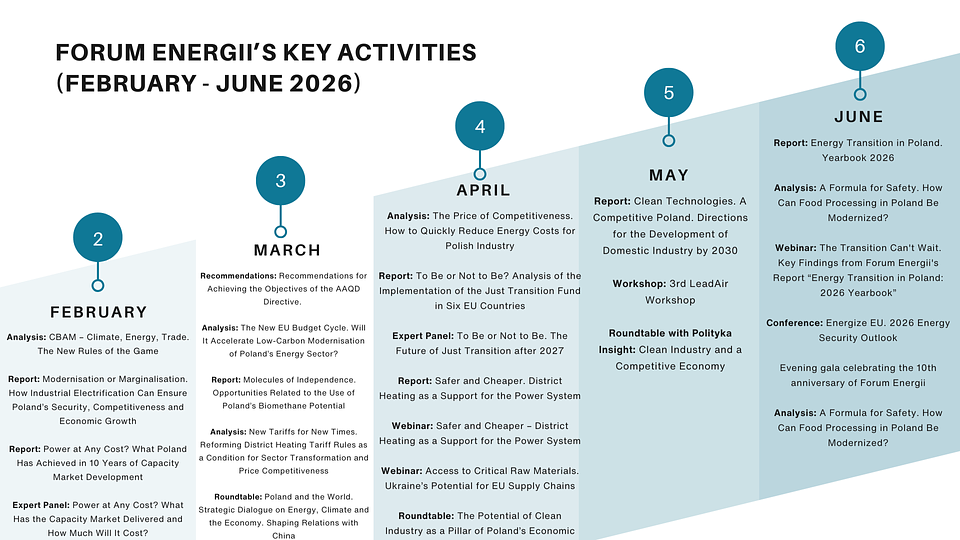
Selected activities of Forum Energii
10 years of Forum Energii
More Than Gigawatts and Data – Celebrating 10 Years of Forum Energii!
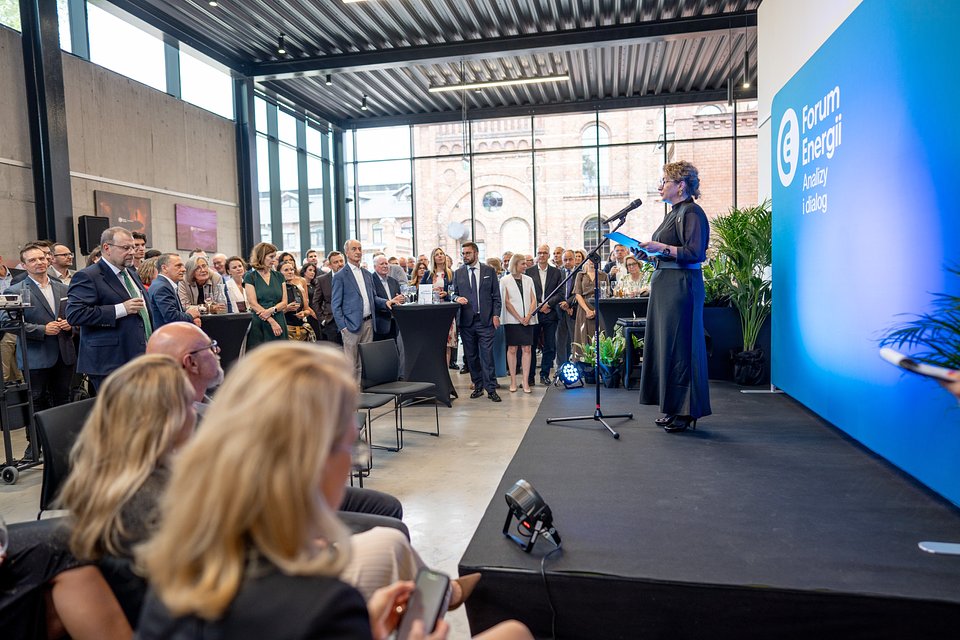
Energize EU: Debating the Future of European Security
>> Full coverage and photo galleries from both the Gala and the Conference are available at Forum Energii website.
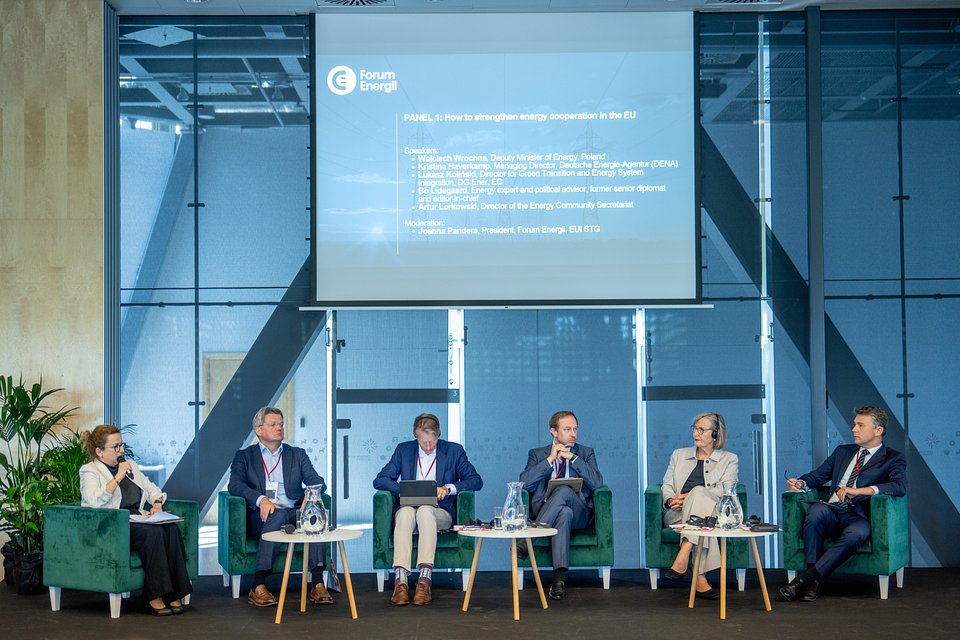
Industrial competitiveness through energy transition – potential of the clean tech
- Modernization or marginalization – outlining how industrial electrification can boost Poland’s economic resilience and growth.
- The cost of competitiveness – demonstrating that short-term reductions in industrial energy costs are achievable while staying aligned with long-term climate goals (in translation).
- Joanna Pandera: A war over industry lies ahead - article for Rzeczpospolita daily (a leading opinion-forming daily newspaper)
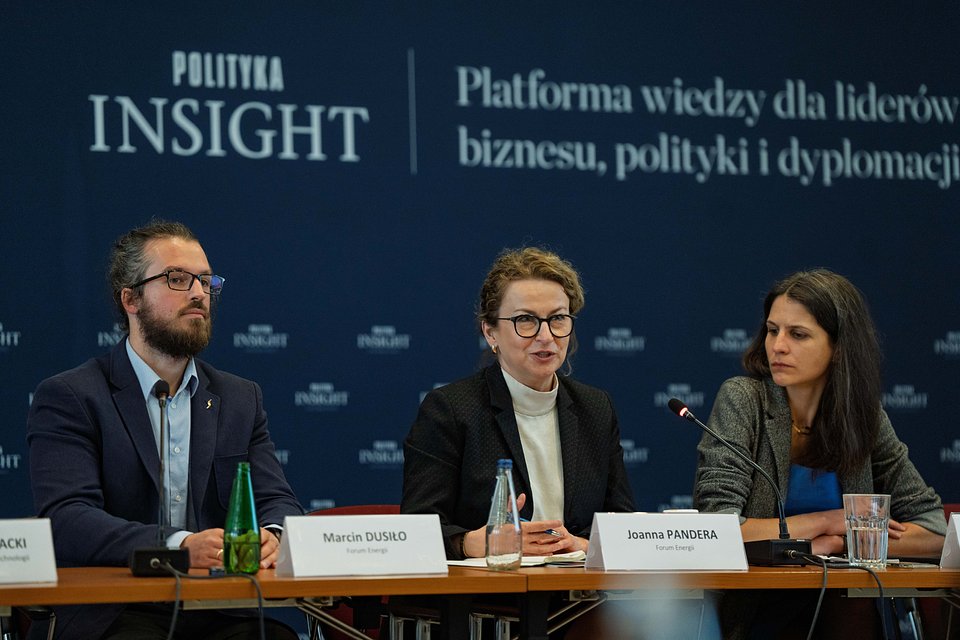
Marcin Dusiło, Industry Programme Lead / Joanna Pandera, President of Forum Energii / Julia Cydejko, Senior analyst in Polityka Insight
Energy security beyond capacity
- a closed-door strategic session with policymakers and energy sector representatives, focused on system adequacy and market design
- a press briefing, which resulted in 37 publications in leading national media, with a total reach of 45.4 million and estimated direct audience of 1.5 million.
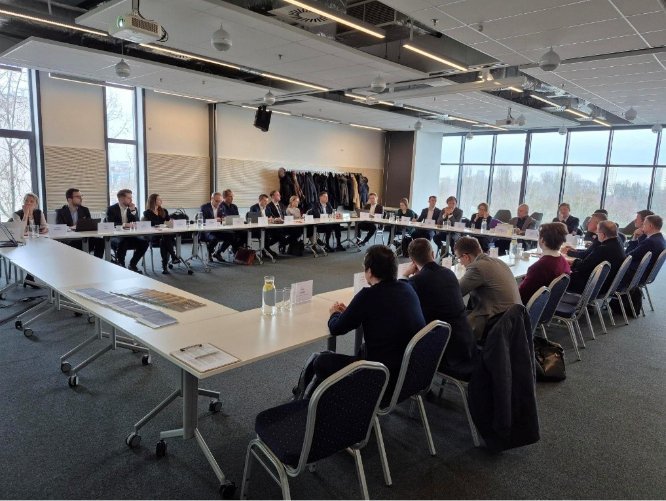
The meeting brought together senior representatives and experts from the TSO, the financial and investment sectors, the energy storage and conventional power industries, as well as other think tanks.
EU climate and trade policy: CBAM and ETS
Geopolitics, supply chains, and China
- opportunities and risks in clean technology cooperation,
- lessons from EU-level engagement with China,
- and the role of domestic industrial capabilities in shaping future partnerships.
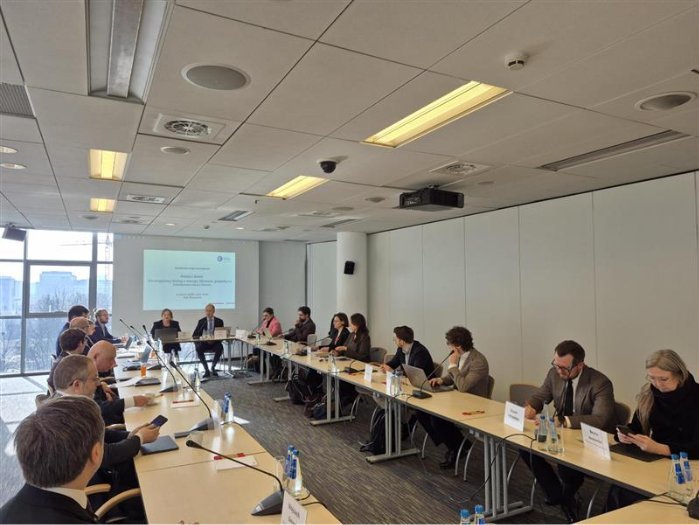
A roundtable dedicated to Poland–China relations.
Just transition and the future EU budget
Power system flexibility and the role of district heating
Biomethane and domestic energy potential
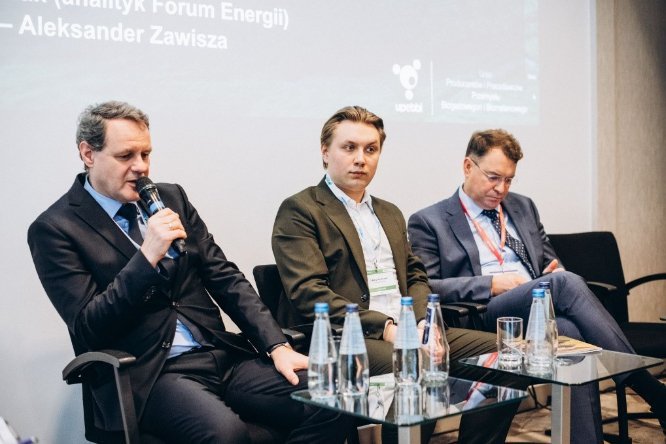
In the middle is Dawid Trzeciak, an analyst at Forum Energii.
Strengthening Strategic Cooperation - MoU
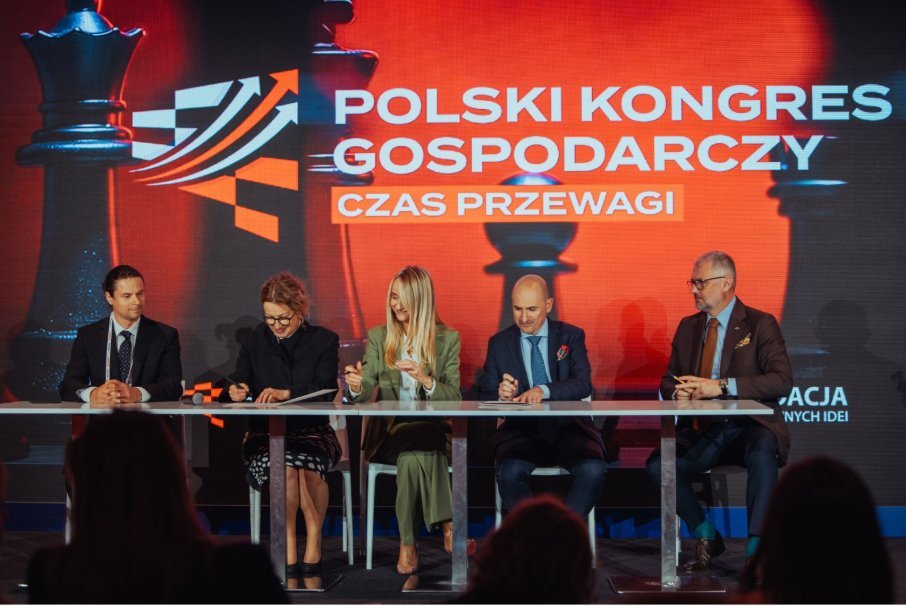
Signing of the agreement by Forum Energii, Employers of Poland, and the Chairs of the Energy Working Group
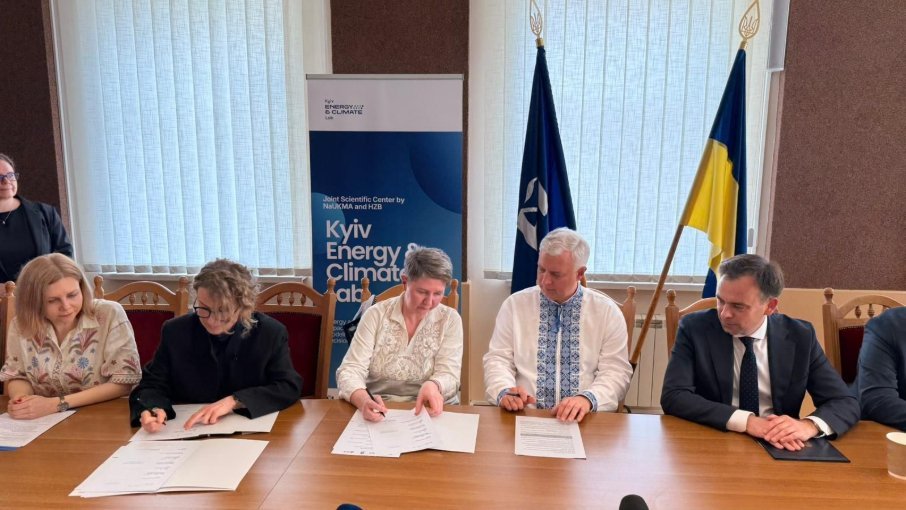
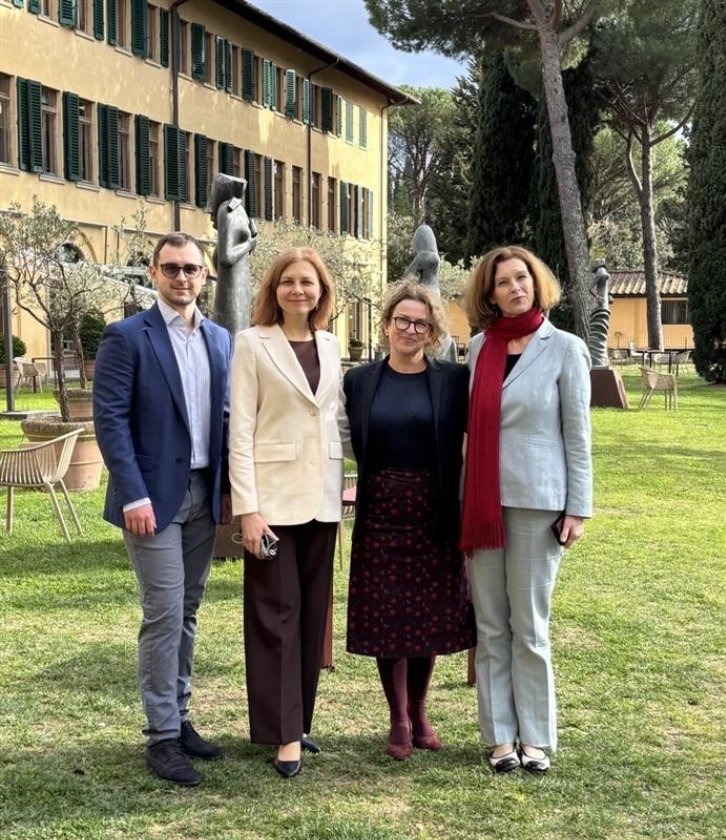
Signing the MoU with Ukrainian partners to strengthen research, education, and expert collaboration in the energy sector/
Forum Energii at Key Events and Policy Dialogues
1. 3th LeadAir Cooperation Forum
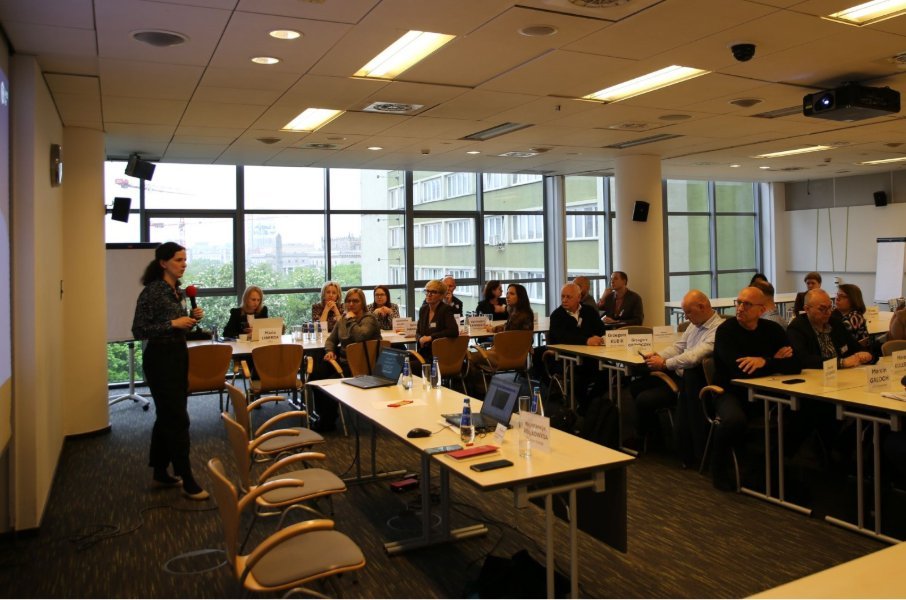
Konstancja Ziółkowska, Social Affairs Project Manager at Forum Energii.
2. The European Economic Congress
- Joanna Pandera moderated a panel on climate policy, addressing the challenge of balancing decarbonisation with industrial competitiveness, the future of the EU ETS, and the global implications of EU regulation. Marcin Dusiło participated in discussion panel on energy for industry, focusing on the role of energy-intensive sectors, investment strategies, and the practical implications of policies such as CBAM.
- During the Congress, Forum Energii also organised a Chatham House discussion with representatives from business, public administration and the media to facilitate a more in-depth exchange on the preliminary findings of its forthcoming report on clean technologies.
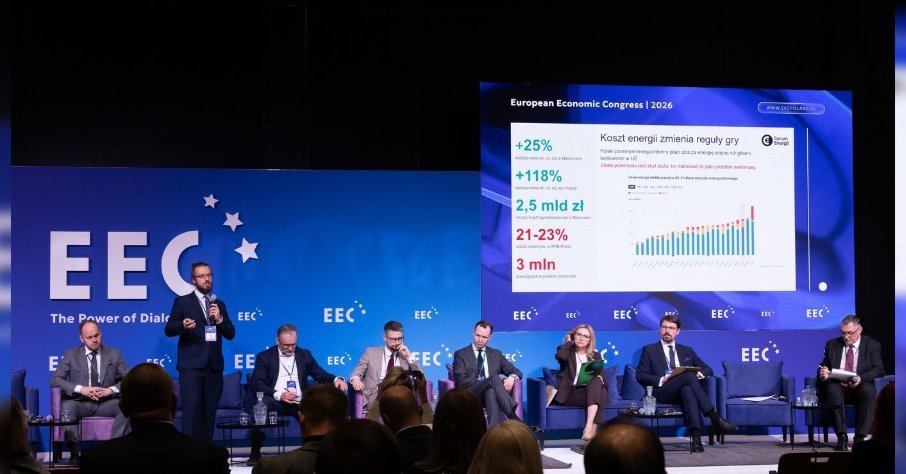
Marcin Dusiło, Industry Programme Lead, delivering an introductory presentation before the panel.
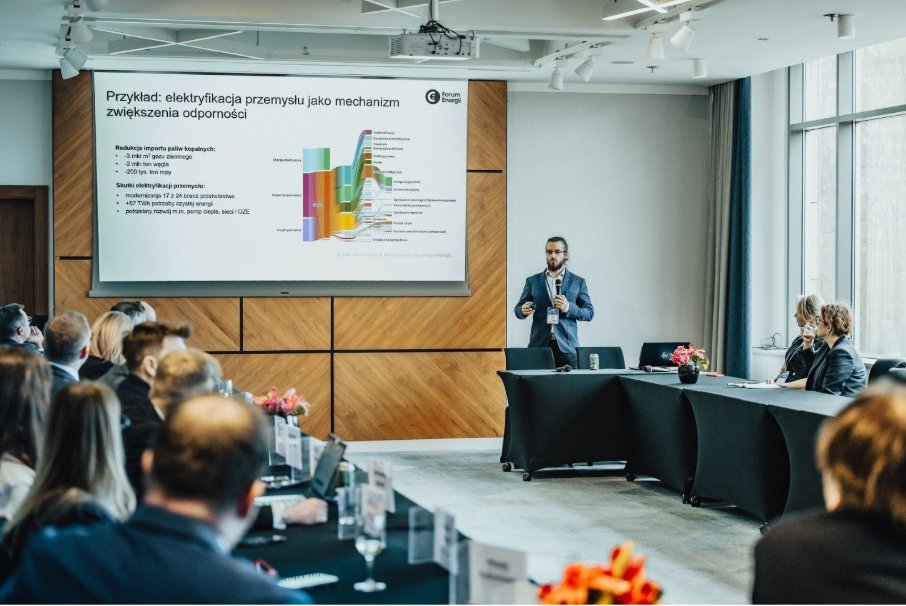
The Chatham House discussion on the key insighs from the clean-tech report.
3. Planning Europe’s Energy Infrastructure
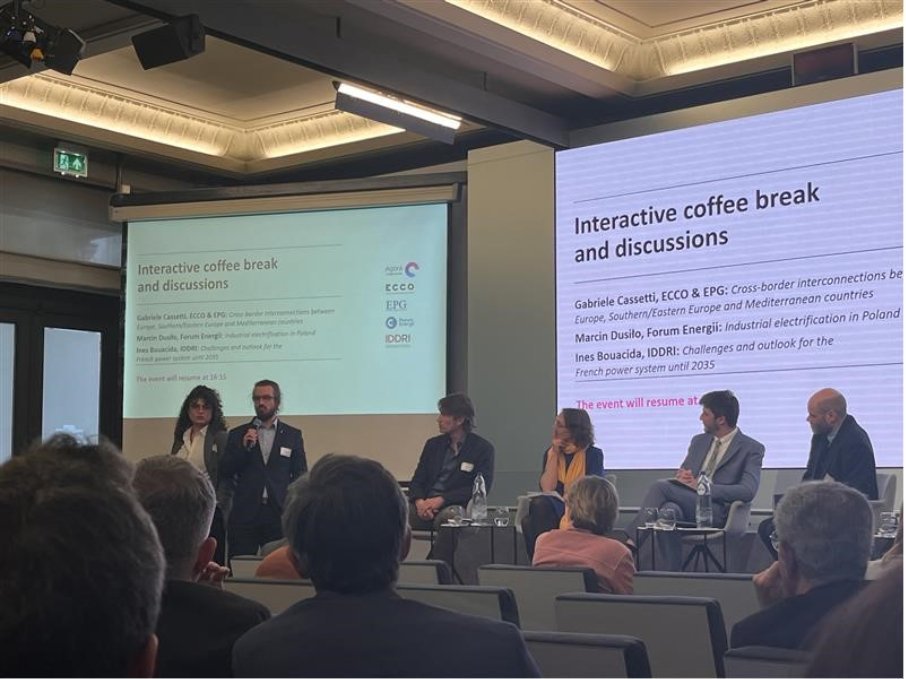
4. The EU Accession of Ukraine – Climate & Energy
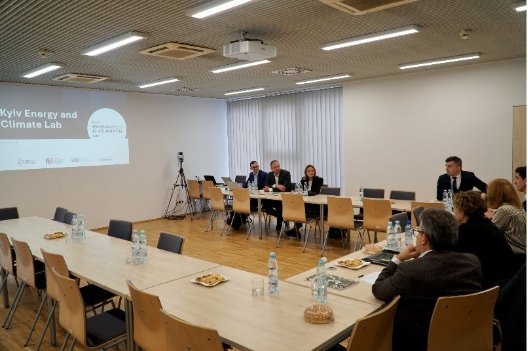
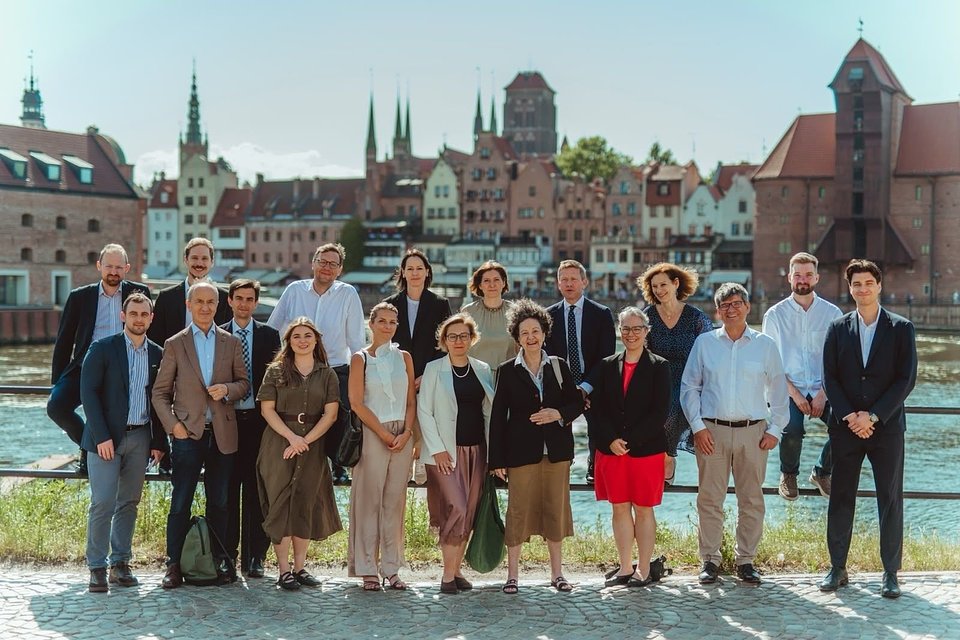
5. 5th Ukraine Recovery Conference in Gdańsk
Forum Energii Internal Organizational Update
1. Lidia Kołucka joined the Supervisory Board of Forum Energii
2. New Face at Forum Energii
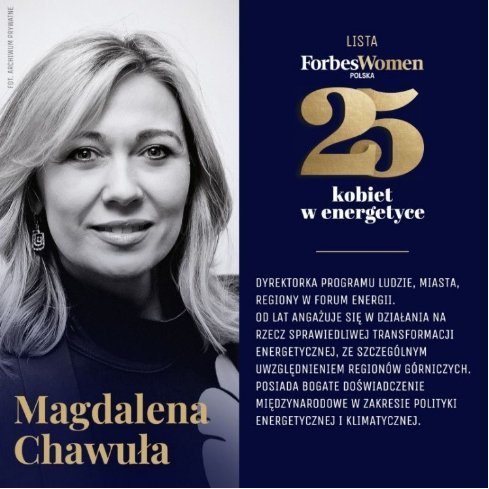
3. Awards and Recognitions